

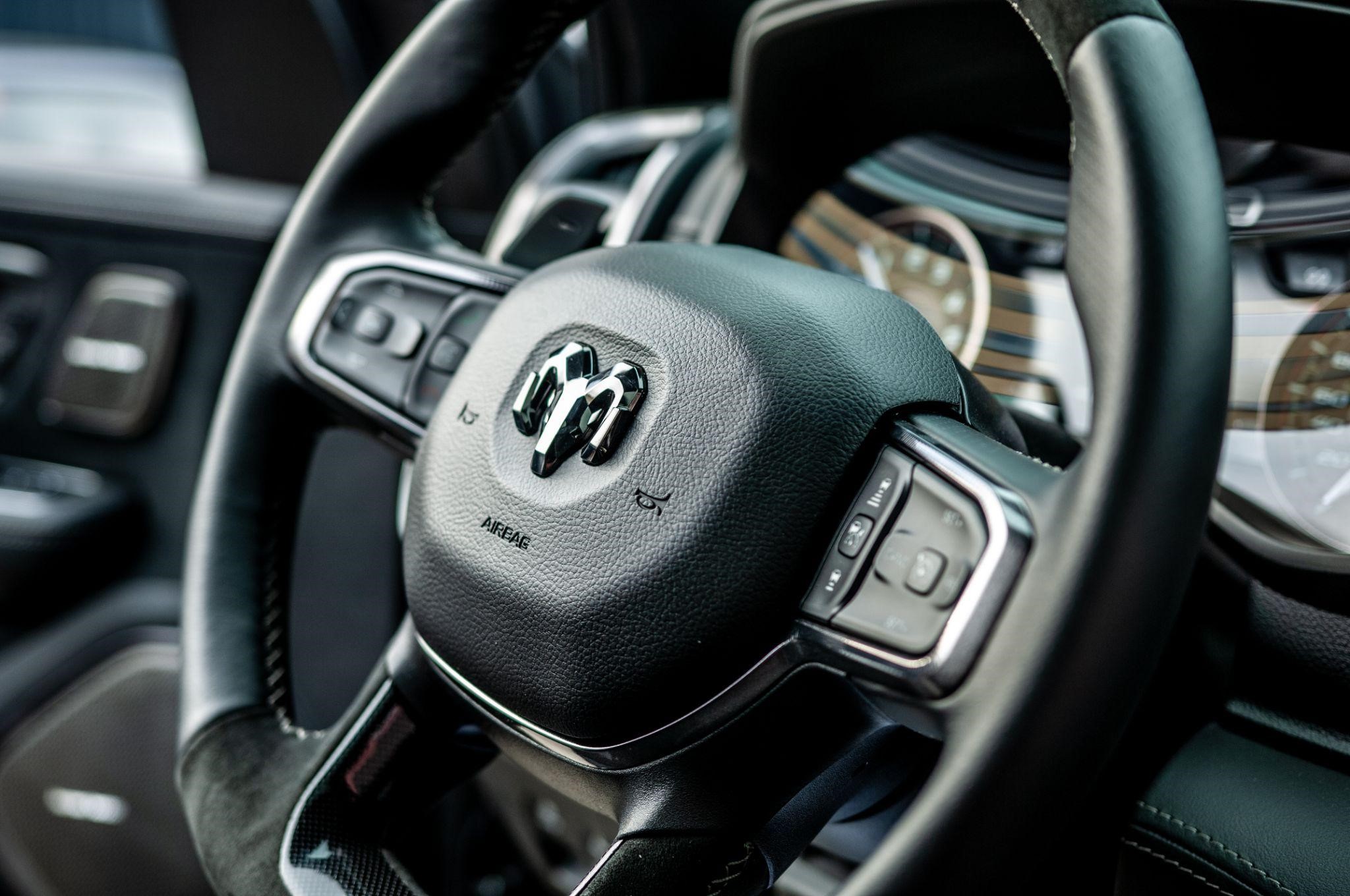
Spend any time around car people in California and you’ll notice something: when Dodge comes up, the conversation gets a little louder, a little more animated, and a lot more passionate.
Maybe it’s the growl of a Dodge V8, the nostalgia of classic muscle cars, or the way even their SUVs seem to have attitude baked into the sheet metal. Whatever it is, Dodge has never been a “bland” brand and the modern lineup proves it’s still very much alive and kicking.
Whether you’re:
- The kind of driver who lives for backroad pulls and tunnel soundtracks,
- A parent who needs three rows but refuses to drive something boring,
- A city commuter who wants a compact SUV with genuine punch, or
- Someone who wants one car that can be both a weekday workhorse and a weekend thrill machine…
There’s a Dodge that fits that picture.
At JStar, we see it every day. One person walks in laser-focused on a Charger, another has their eye on a Durango for a growing family, and a third is surprised to discover how fun and well-equipped the Hornet really is. This guide is designed to give you a real-world, human look at the core Dodge models in the current lineup — Hornet, Durango, Charger, and Challenger — so you can get a feel for which one actually matches your lifestyle.
What the Current Dodge Lineup Looks Like
Before we dive into details, here’s a simple snapshot to orient you:
| Model | Type / Segment | Best For |
|---|---|---|
| Dodge Hornet | Compact SUV / Crossover | Urban & suburban driving, small families, first-time SUV buyers |
| Dodge Durango | 3-row SUV / Large family SUV | Families, towing, road trips, SUV capability with power |
| Dodge Charger | 4-door muscle / sport sedan | Drivers wanting muscle performance with everyday practicality |
| Dodge Challenger | 2-door muscle coupe | Enthusiasts, performance purists, classic American muscle fans |
Think of it as one family, four distinct personalities. Now let’s get to know them.
1. Dodge Hornet — The Compact SUV With a Serious Bite
“Compact SUV” and “fun to drive” don’t always show up in the same sentence. The Dodge Hornet is Dodge’s way of changing that.
On paper, it’s a small crossover — easy to park, easy to live with, practical for daily use. But under the hood and in the way it’s tuned, the Hornet has a genuine performance streak.
Why the Hornet Stands Out
The Hornet GT comes with a 2.0-liter turbocharged 4-cylinder engine that pumps out serious horsepower for its price point. In plain English: it’s quick. This isn’t a lazy commuter that just sips fuel and plods along, it actually feels eager when you press the accelerator.
Then there’s the Hornet R/T, a plug-in hybrid (PHEV) that adds electric assistance to the mix:
- You get strong combined output,
- All-wheel drive for extra grip,
- And a special “boost” feature in certain modes that gives you a noticeable shove when you really want to go.
It’s the kind of small SUV that lets you enjoy on-ramps instead of merely surviving them.
Everyday Comfort Meets Modern Tech
Inside, the Hornet doesn’t feel stripped or barebones. Even on lower trims, you’ll typically find:
- A digital gauge cluster that gives you a clean, customizable view of key information.
- A large touchscreen with Uconnect — Dodge’s modern infotainment system with smartphone integration.
- Dual-zone climate control, so driver and passenger don’t have to argue about temperature.
- Available driver-assistance features like lane, parking, and collision aids that make daily commuting less stressful.
In other words, it’s more than just a “value” SUV. It feels like a proper modern cockpit, just sized for real-life parking lots and city streets.
Why the Hornet Works for California
If you’re commuting around Anaheim, Orange County, LA, or the Inland Empire, you know the reality:
- Parking can be tight.
- Traffic can be heavy.
- Fuel costs matter.
The Hornet answers all three:
- Small enough to be easy to maneuver.
- Quick enough that it doesn’t feel sluggish in stop-and-go traffic.
- Efficient enough, especially in hybrid form — to keep fuel bills more manageable.
It’s a great fit for first-time SUV buyers, couples, or small families who want something with Dodge attitude without going full-size.
2. Dodge Durango — The Three-Row SUV With Muscle DNA
Now let’s head to the other end of the size spectrum.
If the Hornet is the agile newcomer, the Durango is the seasoned heavyweight — a three-row SUV that lets you carry people, cargo, and still feel like you’re driving something distinctly Dodge.
Space, Power, and Presence
The Durango is for the driver who says:
“I need room for kids, gear, maybe a dog… and I still want my SUV to feel exciting.”
You get:
- Three rows of seating — ideal for families, carpool duty, or those times everyone wants to ride together.
- A substantial, confident stance on the road, it looks and feels solid.
- Available V6 and V8 engines, depending on trim, so you can choose between “plenty of power” and “serious power.”
Some trims emphasize comfort and practicality, while others lean heavily into performance — all under the same nameplate.
Performance-Oriented Trims
One of the Durango’s biggest calling cards is that you can get real muscle in an SUV body:
- Performance-oriented models bring V8 power into the three-row world.
- You can tow, haul, and merge with authority, not just “get by.”
- Higher trims have that unmistakable Dodge swagger — both in design and in the way they drive.
So yes, you can bring the family, the luggage, and still enjoy the drive.
Why Durango Suits California Life
If you ever find yourself:
- Driving the family to the beach with coolers, chairs, and boards,
- Heading up to the mountains with luggage and snow gear,
- Towing a trailer, camper, or boat out of town,
- Or simply needing one vehicle that can do school runs during the week and road trips on weekends…
The Durango is built for that rhythm.
You don’t have to give up driving just because you need more seats. That’s the promise that keeps Durango owners loyal, it doesn’t feel like a compromise.
3. Dodge Charger — Muscle Car Spirit in a Real-World Sedan
The Dodge Charger might be one of the most interesting blends in the modern car market. It’s a four-door sedan that behaves like a muscle car and yet can absolutely function as your daily family car or commuter.
Muscle, Meet Practicality
Unlike a two-door coupe, the Charger gives you:
- Four doors, making it much easier to live with if you have kids, friends, or colleagues riding with you.
- A usable trunk, room for luggage or groceries, and a cabin that doesn’t feel cramped.
- The option to choose between “comfort-oriented daily driver” trims and “serious performance” trims.
Under the hood, depending on configuration, you can have anything from a more modest powertrain to something genuinely potent. That flexibility means you can decide how wild or civilized you’d like your Charger to be.
Modern Cabin, Modern Tech
Step inside and you’ll find that the Charger is also a modern tech platform, not just a nostalgic throwback:
- A large center touchscreen with Uconnect infotainment.
- Smartphone integration, modern audio, and actively useful driver assist features.
- A driver-focused layout that still keeps things comfortable for passengers.
You can drive this car every single day to work, to the store, through LA traffic and it won’t feel like a “weekend toy” that you’re forcing into commuter duty. But when you find a clear stretch of road, it can absolutely remind you what Dodge is known for.
Who the Charger Is Perfect For
The Charger is ideal if:
- You love the idea of a muscle car but can’t realistically live with a two-door coupe.
- You want something distinctive and fun to drive, without stepping into full-size SUV territory.
- You need one vehicle that is both family-friendly and driver-focused.
For many California drivers, especially those in suburbs who regularly commute but still want weekend fun, the Charger hits a sweet spot that few other cars do.
4. Dodge Challenger — The Classic Icon That Defines the Brand
Even if you never buy a Dodge Challenger, it’s hard to ignore the role it plays in the Dodge universe.
This is the car that keeps the brand connected to its muscle-car heritage — the long hood, the wide stance, the unmistakable coupe silhouette. It’s the car you imagine on a sunset drive down PCH or roaring through a tunnel just to hear the exhaust.
Why the Challenger Still Matters
The Challenger is about more than just numbers. It represents:
- Pure driving emotion – that feeling when you start it up and the sound actually makes you smile.
- Design heritage – a look that’s instantly recognizable, rooted in decades of performance history.
- Enthusiast culture – meets, builds, modifications, and a sense of driving something with a story.
For drivers who live for the drive itself, who want to sit low in a two-door coupe and feel connected to the road, the Challenger or its spiritual successors within the Dodge performance stable remain deeply appealing.
Who the Challenger Is For
- Drivers who prioritize fun over practicality.
- Enthusiasts with other vehicles for family or utility duties.
- Those who want something that feels like part car, part statement.
If your heart skips a beat when you see a widebody Challenger in a bold color, you probably already know where you stand.
How the 2025 Dodge Lineup Reflects Changing Driver Needs
Taken together, the Hornet, Durango, Charger, and Challenger paint a picture of a brand that’s adapting without losing its soul.
Here’s what that looks like in real terms:
Performance, But Accessible
Dodge has found ways to deliver strong performance without limiting it to ultra-expensive halo cars. Examples:
- Hornet GT gives you lively power in a compact SUV body.
- Durango performance trims put V8 power into a three-row SUV.
- Charger lets you enjoy muscle car flavor in a practical sedan.
You don’t have to stretch to the top of the price ladder just to feel like you’re driving something exciting.
Versatility Across Segments
Instead of being “just” a muscle car brand, Dodge now offers:
- A compact crossover
- A 3-row SUV
- A sport sedan
- And a classic muscle coupe
If your life changes, you start a family, move, change jobs — there’s likely a Dodge that can adapt with you.
Tech, Safety, and Everyday Livability
Modern drivers expect:
- Big touchscreens, clean digital displays
- Driver-assist systems for safety and convenience
- Connectivity for phones, apps, navigation, and music
Dodge has layered these into the lineup so you’re not choosing between “fun” and “modern.”
Heritage Without Being Stuck in the Past
Perhaps most importantly, Dodge has kept its personality. Whether you’re in a Hornet or a Challenger, there’s still that thread of bold styling, performance focus, and a little bit of attitude.
Which Dodge Fits Which Driver? A Quick Lifestyle Guide
Here’s a simple way to start matching yourself to a model:
| Lifestyle / Need | Best-Fit Dodge Model(s) |
|---|---|
| Mostly city/suburban driving, want compact size with punch | Hornet GT / Hornet Hybrid |
| Family SUV, road trips, towing, three rows | Durango (GT or performance trims) |
| Want muscle feel but need 4 doors and real trunk space | Charger (various trims) |
| Pure enthusiast, two doors, classic muscle experience | Challenger / performance coupe variants |
| Mixed needs: occasional power with everyday practicality | Charger or Durango |
| Budget-conscious but want Dodge character and modern tech | Hornet GT or entry-level Durango |
This isn’t a rigid rulebook, it’s simply a starting point. Once you sit in the vehicles and drive them, your preferences might surprise you.
Conclusion
The modern Dodge lineup doesn’t just coast on nostalgia. With the Hornet, Durango, Charger, and Challenger, the brand offers:
- A compact SUV with genuine energy,
- A three-row SUV that can tow and thrill,
- A sedan that blends everyday usability with muscle car soul,
- And a coupe that keeps classic American performance alive.
No matter where you are in life — starting out, growing a family, downsizing, or finally treating yourself to a car you’ve always wanted, there’s likely a Dodge that fits the picture.
At JStar CA, we’re here to help you move from “research mode” to finding the car or SUV that actually feels right when you’re behind the wheel. If you’re ready to explore the lineup, compare models, or schedule a test drive, reach out through our website or stop by the dealership.
Frequently Asked Questions
Is the Dodge Hornet really “Dodge enough,” or is it just another small SUV?
The Hornet might be compact, but it carries Dodge’s personality. With strong available power, sharp styling, and a tech-rich interior, it doesn’t feel like a generic crossover. It’s ideal if you want something nimble and efficient but still fun.
Does the Durango genuinely offer value, or is it just a big SUV with a big engine?
The Durango is popular precisely because it hits a sweet spot: real three-row space, real towing capacity, and available V8 muscle — often at a price point that undercuts more “luxury” nameplates that are slower and less capable. If you need space and power, it’s hard to ignore.
I want performance but also have kids. Is the Charger a realistic choice?
Very much so. The Charger’s four doors, usable rear seats, and trunk make it surprisingly practical. You can have a fun, performance-focused car that still does school drop-offs, grocery runs, and long trips without hassle.
I live mostly in the city. Should I be looking at a Dodge car or a Dodge SUV?
It depends on what you prefer. If you want higher seating, easier visibility, and hatchback practicality, the Hornet is a smart choice. If you prefer the feel of a sedan and value a lower center of gravity and more traditional car dynamics, a Charger might fit better.
How do I figure out which Dodge is right for me without guessing?
Think about:
- How many people you regularly drive with
- How much you care about performance vs. fuel economy
- Whether you’ll tow or haul things
- How much parking space you have
Then come in, see a few models in person, and take some test drives. A short drive in a Hornet, Durango, and Charger back-to-back will tell you more than hours of reading specs.